 MEETS
 Research
Water treatment
Growing water scarcity and concerns over water quality call for more efficient and sustainable approaches to water treatment. Our research advances membrane-based technologies to address these challenges, focusing on seawater desalination and water reuse. We investigate pressure-driven membrane processes, particularly reverse osmosis (RO) and nanofiltration (NF) membranes. By elucidating the fundamental mechanisms governing water and solute transport, membrane performance, and separation efficiency, we seek to develop advanced membrane solutions for sustainable water production and reuse.
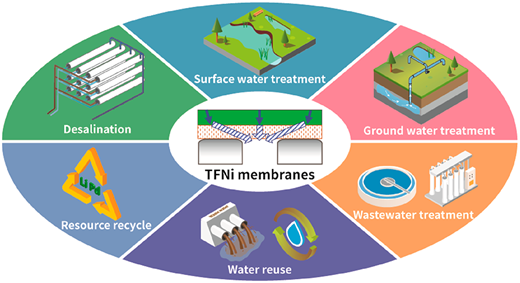
Resource: Environmental Science & Technology (2020), 54(24), 15563–15583
Desalination
Seawater desalination is a promising approach to addressing the global water crisis. Thin-film composite (TFC) membranes with high water permeability can reduce the specific energy consumption of desalination, while high salt rejection is essential for producing high-quality freshwater. However, overcoming the intrinsic trade-off between water permeability and salt selectivity remains a major challenge. Our research investigates membrane fabrication and modification strategies to enhance water permeance and salt rejection. Beyond membrane development, we examine energy consumption at the reverse osmosis (RO) system level, identifying optimal operating conditions and system configurations to improve energy efficiency and reduce the overall cost of desalination.
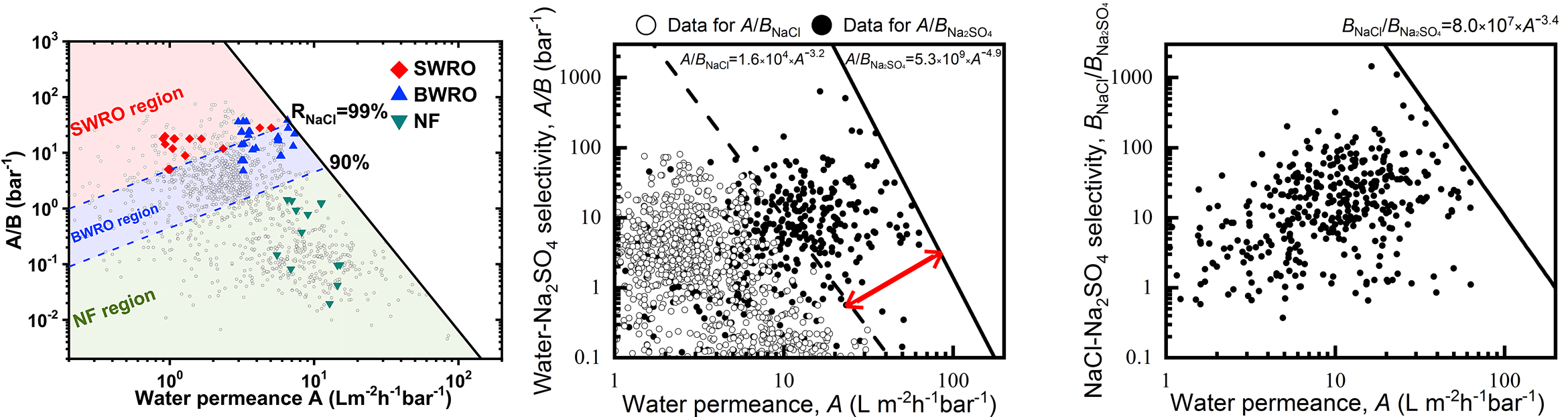
Resource: Journal of Membrane Science (2019), 590, 117297; ACS ES&T Engineering (2022), 2(3), 377–390
Water reuse
Water reuse offers a reliable and sustainable approach to addressing water scarcity. However, conventional polyamide RO and NF membranes may not provide sufficient selectivity for the effective removal of organic micropollutants, including potentially toxic and harmful compounds. Furthermore, membrane fouling and scaling challenge long-term operation due to the accumulation of organic matter, inorganic salt precipitation, and biofilm formation on membrane surfaces. In addition, conventional aromatic polyamide membranes are susceptible to chlorine attack, which can degrade the selective layer, compromise membrane integrity, and impair separation performance. Our research investigates strategies to enhance membrane selectivity, fouling and chlorine resistance, and long-term operational stability to enable efficient and reliable membrane-based water reuse. Furthermore, we evaluate system-level performance to identify energy-saving strategies and improve the overall cost-effectiveness of membrane-based water treatment systems.
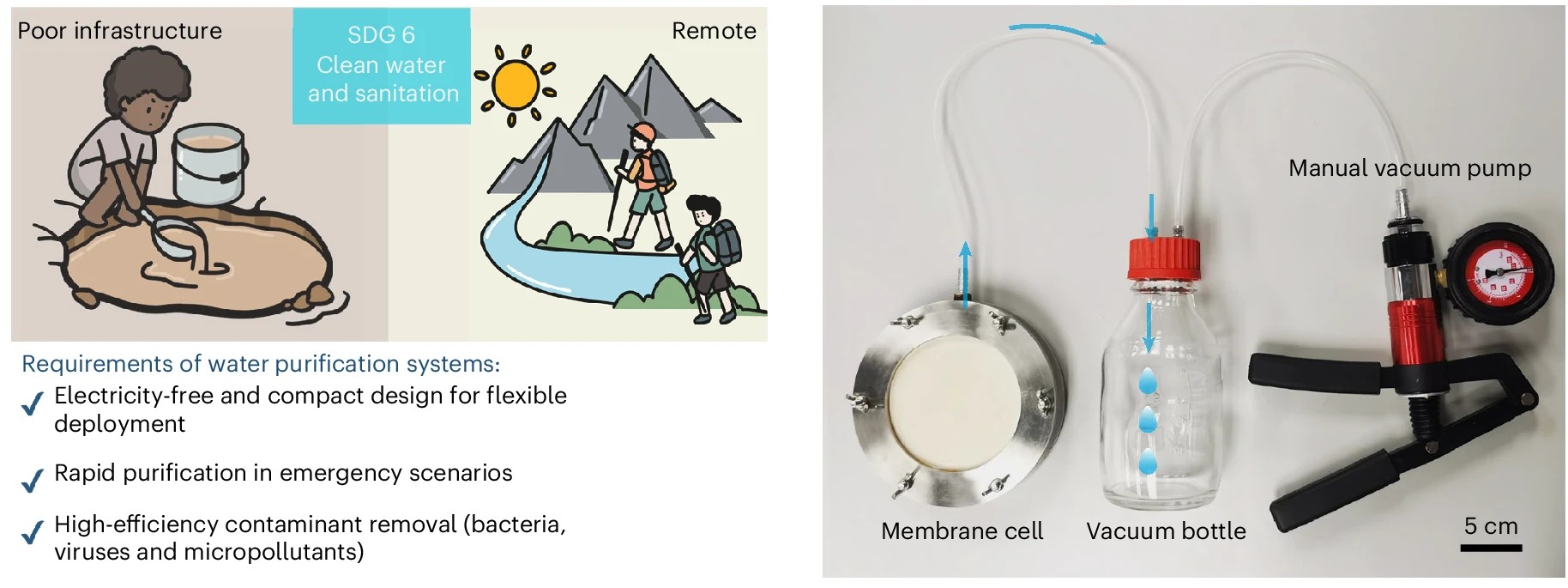
Resource: Nature Water (2026), 4, 68–77
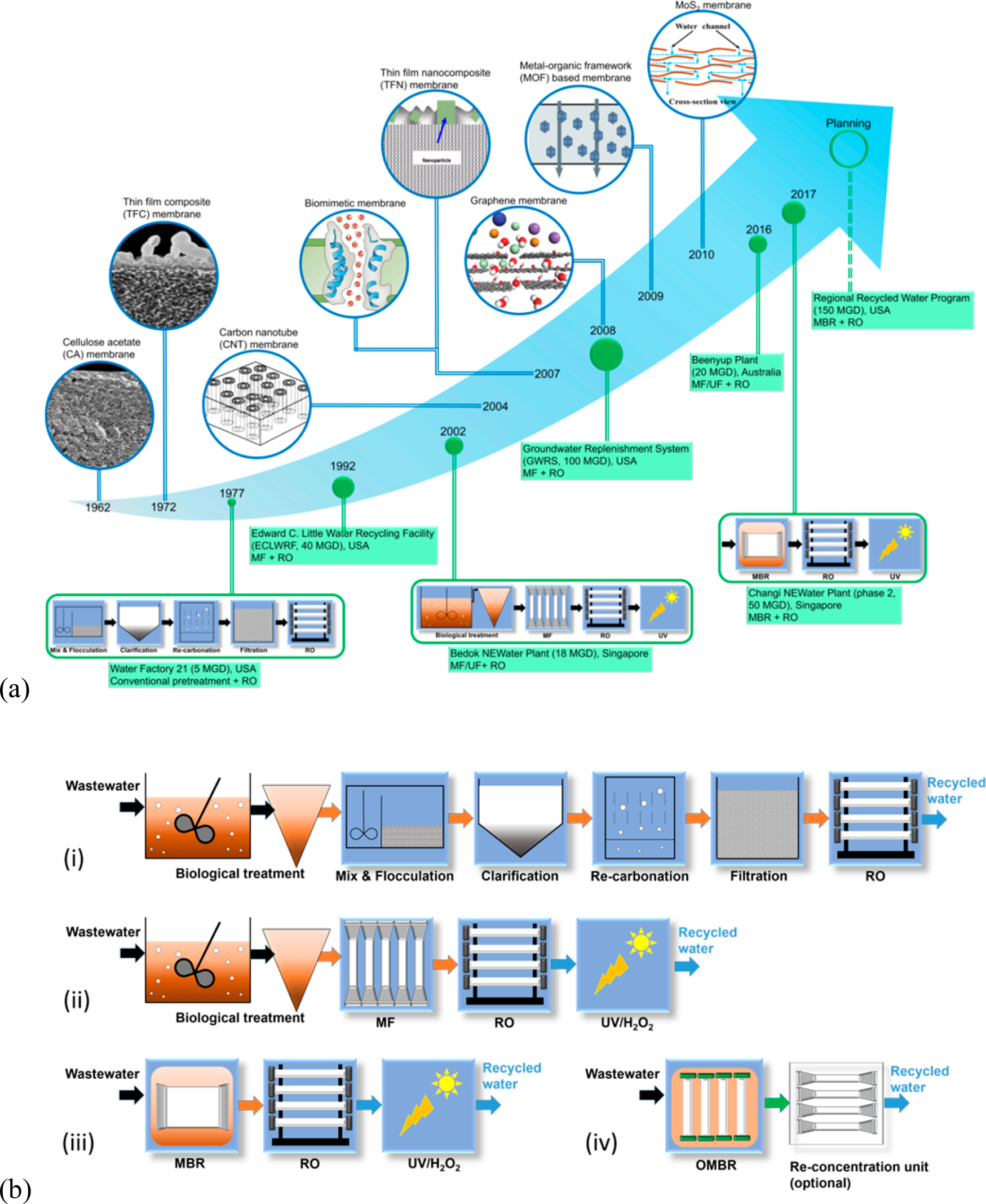
Resource: Environmental Science & Technology (2018), 52(18), 10215–10223
Resource recovery
The rapid growth of electric vehicles has driven increasing demand for lithium-ion batteries, making efficient lithium recovery from spent batteries essential for securing critical metal supplies and promoting a circular economy. Conventional recycling approaches include pyrometallurgy and hydrometallurgy. While pyrometallurgy is energy-intensive and may cause lithium loss in slag, hydrometallurgy offers lower energy consumption but typically relies on substantial chemical inputs for metal separation. Membrane-based separation, particularly nanofiltration (NF), provides a promising alternative due to its relatively low energy demand, compact process design, and ability to selectively separate monovalent Li⁺ from multivalent transition-metal ions such as Ni²⁺, Co²⁺, and Mn²⁺. By enabling direct lithium recovery with fewer chemical inputs and reduced process complexity, NF has the potential to improve lithium recovery efficiency and support more sustainable battery recycling.
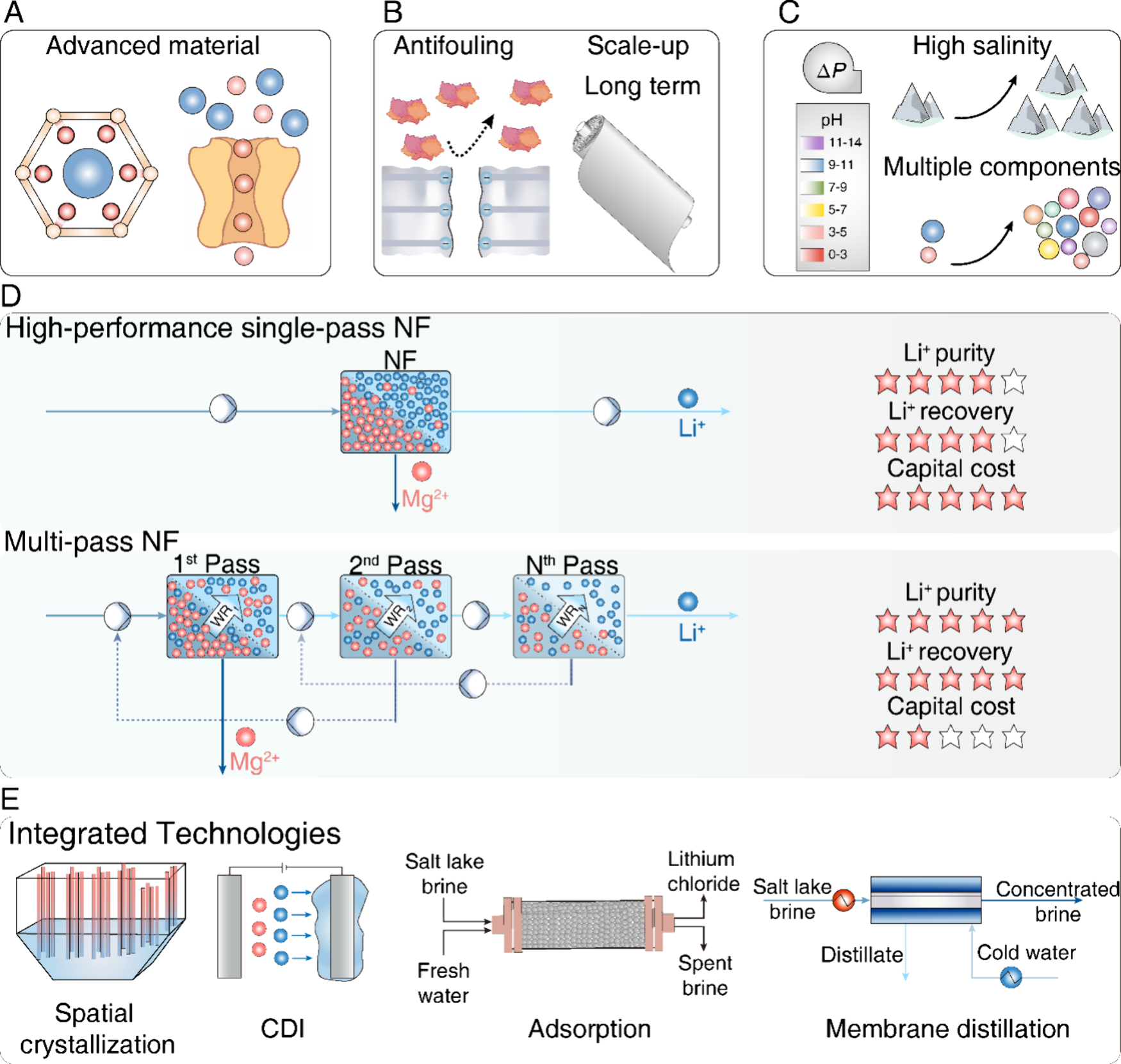
Resource: ACS Environmental Au (2025), 5(1), 12–34
Copper-containing wastewater generated during printed circuit board (PCB) manufacturing and other industrial processes represents both an environmental concern and a potential source of valuable resources. Conventional treatment methods, such as alkaline neutralization and chemical precipitation, often consume substantial amounts of chemicals, generate large volumes of sludge, and result in copper loss. Membrane-based separation offers a promising alternative for copper recovery. However, strongly acidic wastewater, often containing high concentrations of hydrochloric or sulfuric acid, poses a significant challenge to membrane stability and separation performance. Conventional polyamide membranes may suffer chemical degradation under harsh conditions, compromising their long-term durability and metal selectivity. Our research investigates the development of acid-resistant membranes for selective Cu²⁺ separation and recovery from strongly acidic wastewater, with the aim of improving membrane stability, enabling copper recovery, and facilitating potential acid reuse.
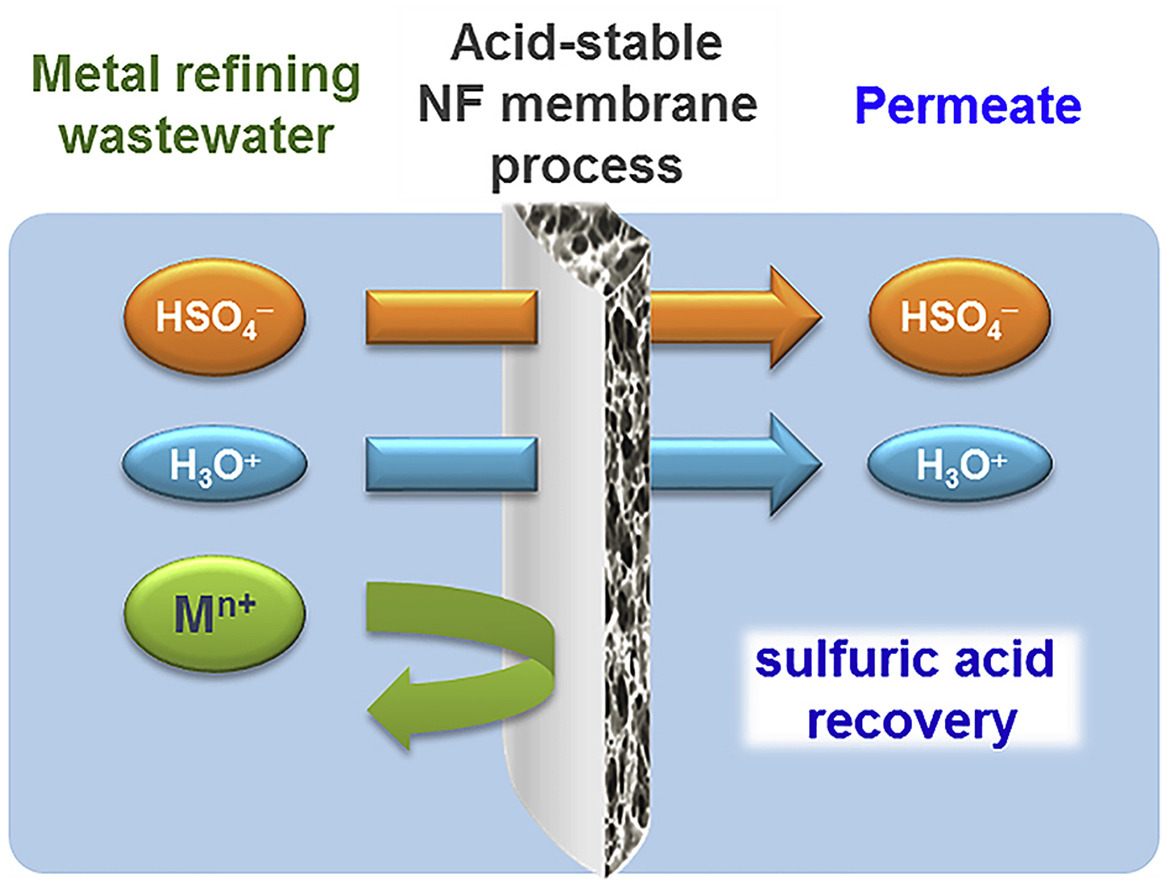
Resource: Journal of Environmental Management (2018), 223, 652–657
Lab facility
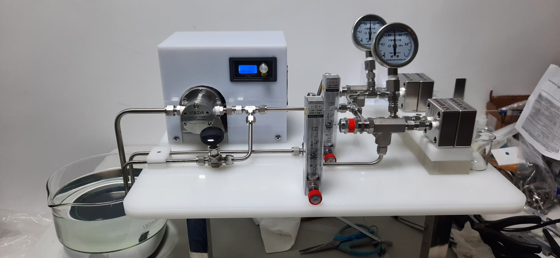
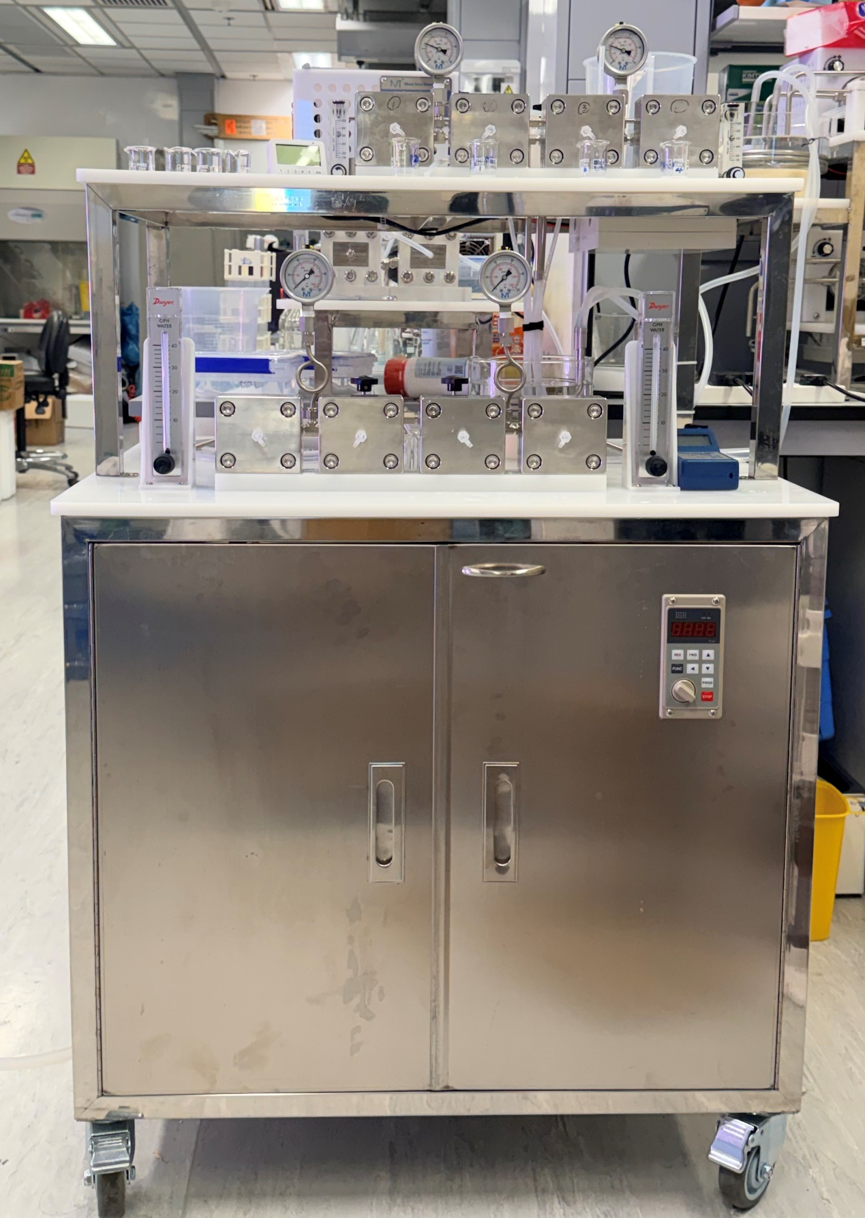
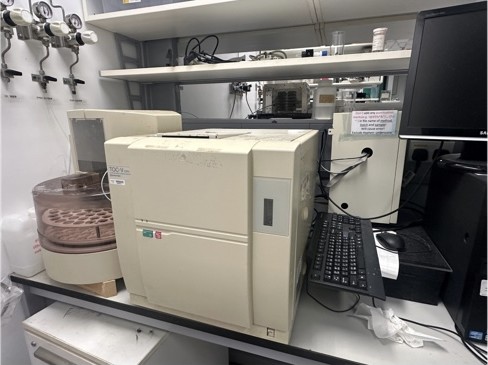
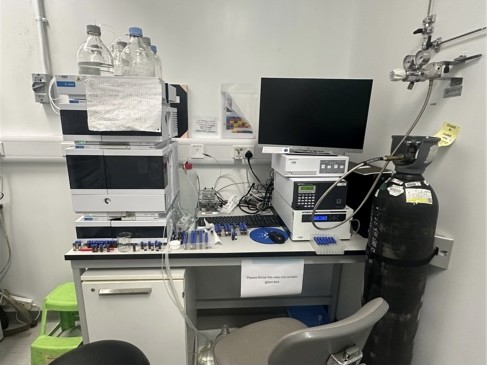
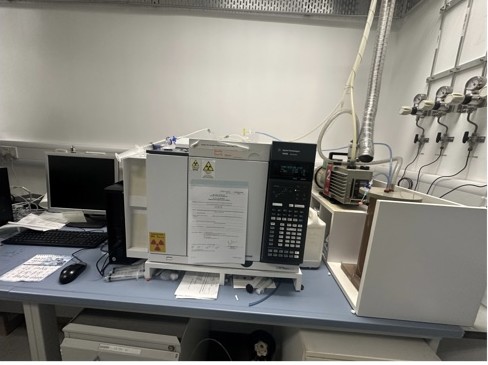
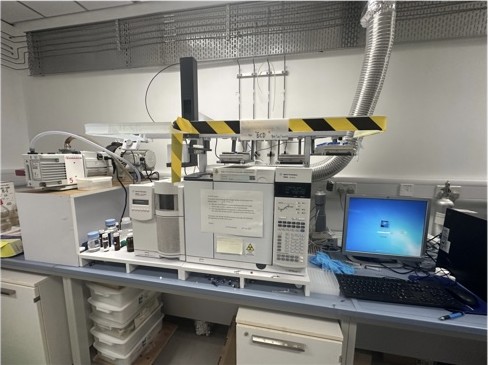
CEE facilities
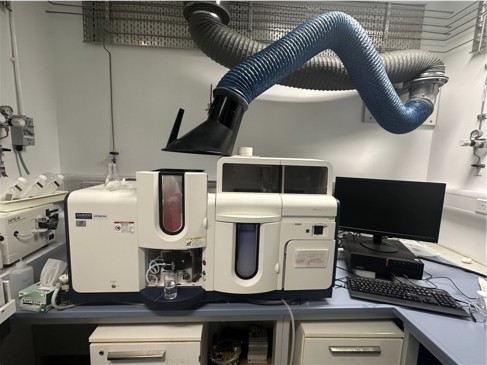
HKUST facilities
Environmental Central Facility (ENVF)
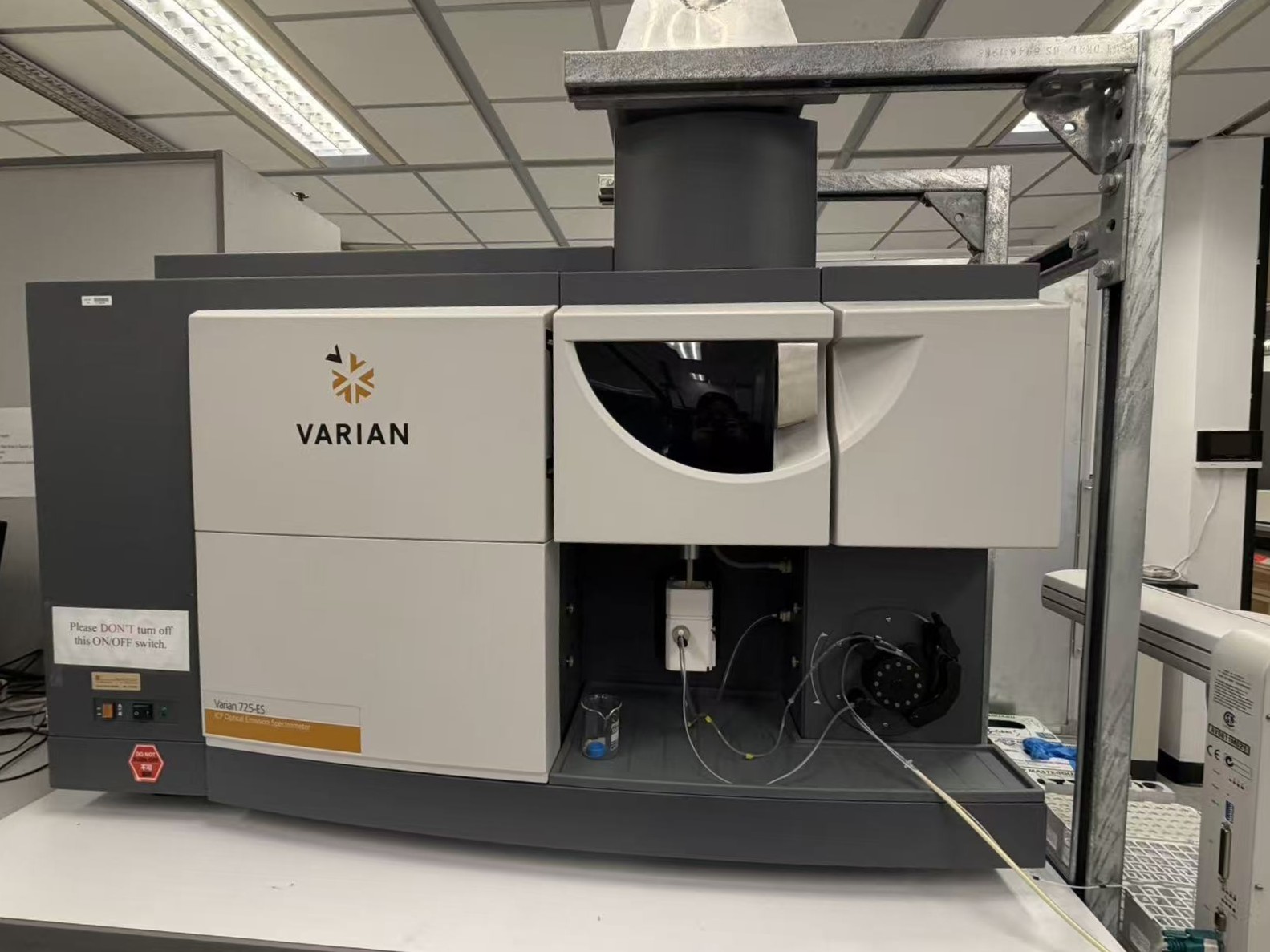
Materials Characterization and Preparation Facility (MCPF)
- Scanning electron microscope (SEM)
- Transmission electron microscope (TEM)
- X-ray diffractometer (XRD)
- Atomic force microscope (AFM)